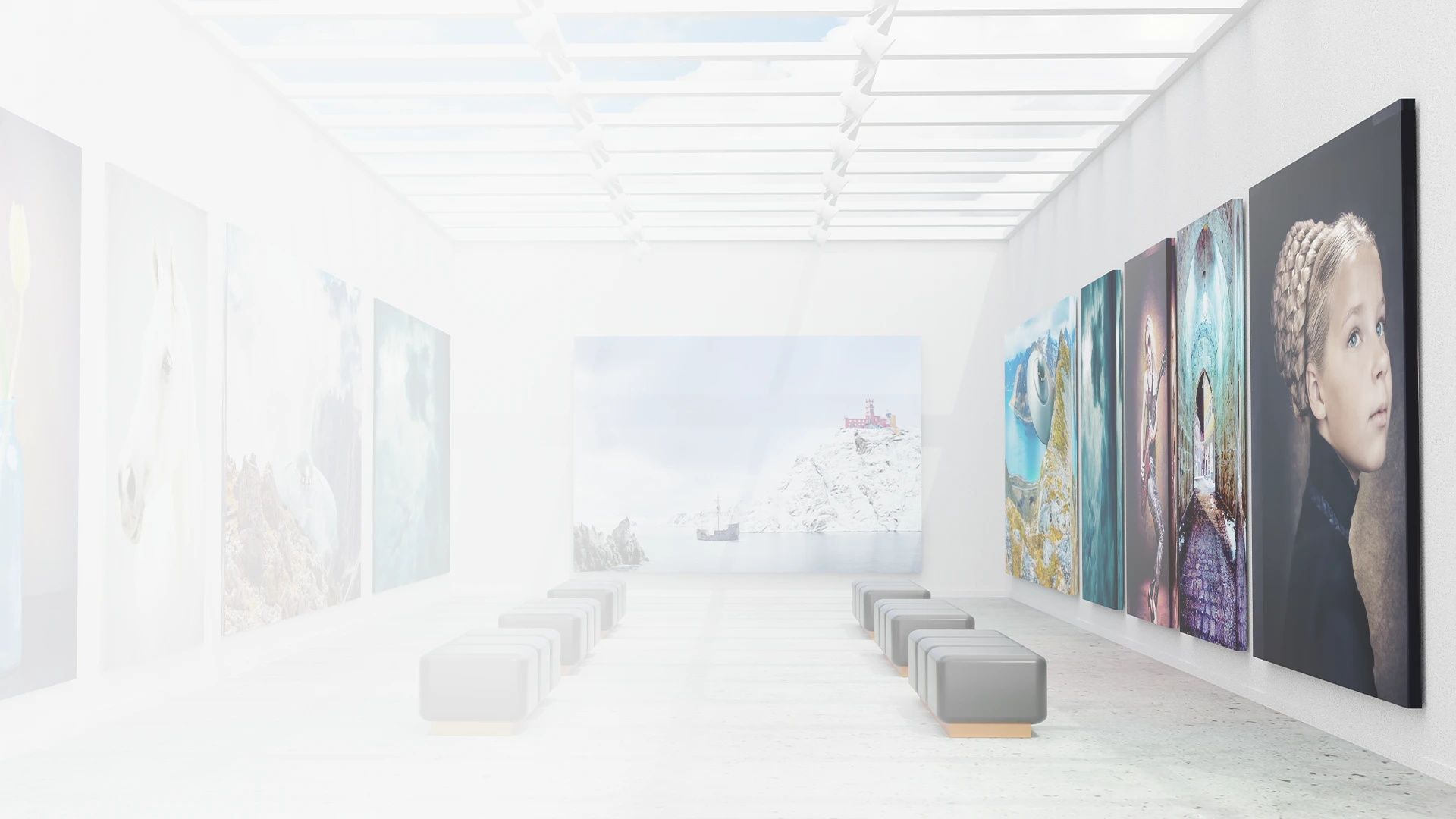
Discovering contemporary art, global exhibitions, and cultural heritage
Browse curated collections spanning fine arts, performing arts, and design. Explore how creative movements preserve history while driving visual innovation through distinct artistic mediums.
The tangible reality of fine visual arts
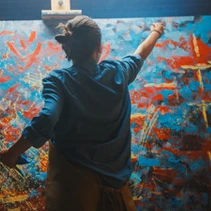
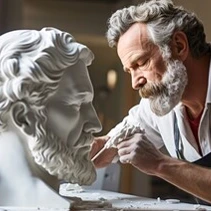
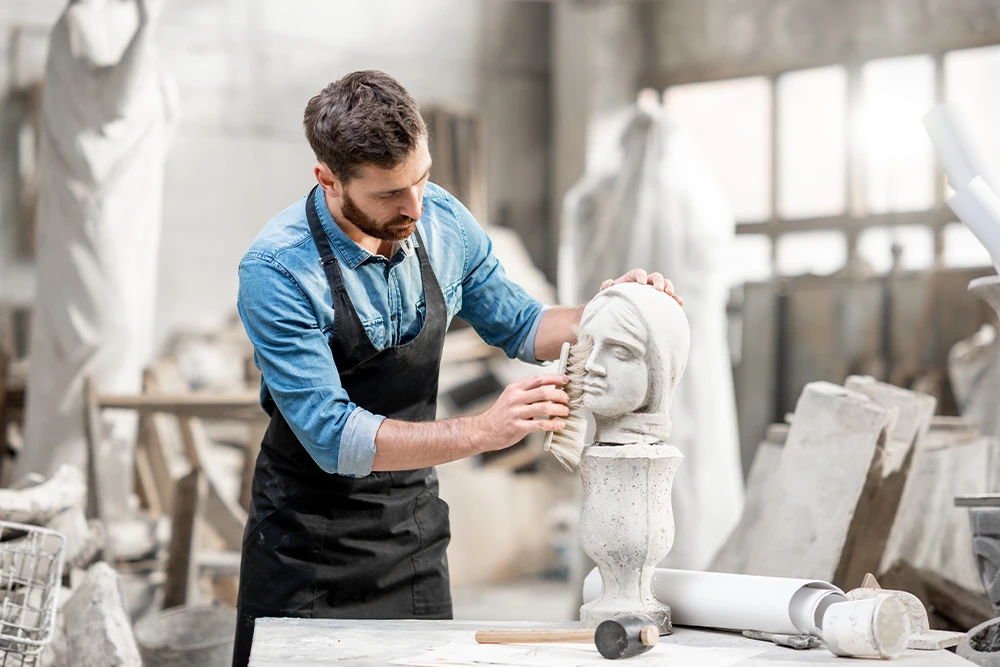
Materiality defines fine arts, translating abstract concepts into collectible masterpieces. Sculptors and painters manipulate matter to challenge perception. Texture, composition, and spatial depth create static works demanding aesthetic appreciation.



Capturing time through photography and graphic arts
ISO and lighting define professional photography, regardless of equipment. Digital artists balance shutter speed to freeze motion or create long-exposure effects. Graphic design complements this using vector illustration and typography for visual branding.
Profiles of emerging artists and masters
International talent influences output across diverse locations. A modern sculptor in Kyoto differs from a conceptual artist in Berlin, yet both provoke thought. Biographies and portfolios distinguish the established master from the novice. Cross-cultural exchange creates a fusion of styles redefining aesthetics.
Live entertainment and performing arts events
Stage productions rely on immediate audience connection. This discipline encompasses contemporary dance, live music, and theater, existing currently. Venue acoustics and ensemble precision create an unrepeatable cultural experience.
Dramatic theater and stage plays
Thespians embody characters to dissect the human condition through scripted dialogue. The stage becomes a microcosm where dramatic narratives unfold. Directors structure interactions to provoke introspection. Set design and stage lighting amplify tension.
Symphony orchestra and acoustic concerts
Classical composition structures sound to evoke visceral responses. Philharmonic orchestras and soloists rely on rhythm to transcend language. Musical instruments serve as extensions, vibrating to fill the auditorium with harmonic resonance.
Ballet choreography and modern dance
Professional dancers utilize physical limits to narrate stories without text. Choreographers design sequences interpreting rhythm through athletic movement. The performer's stamina translates into grace, turning kinetic energy into captivating visual poetry.
Visit museums, galleries, and exhibitions
Curators safeguard history by displaying ancient artifacts. Art galleries function as sanctuaries where exhibition design guides the visitor experience. Check the event calendar or book tickets to witness the longevity of artistic heritage.